‘Qliphah in Providence’s Shadow’ is out now for PC and consoles
Press release:
Yokohama, Japan – September 24th 2026 – Arc System Works is thrilled to announce that[...]




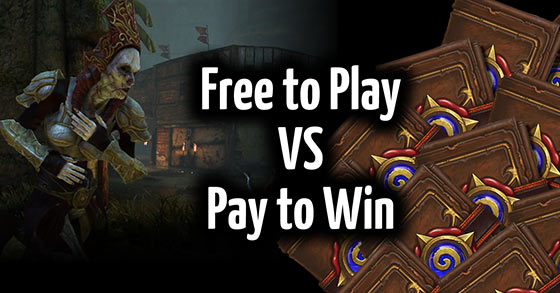
Video gaming has grown as a multi-billion-dollar sector, engaging countless millions of multinational gamers.
From non-complicated puzzles to immersive role-playing experiences, the discoverability of web-based games has promoted their wide reach and spread across the internet.
Among the strategies, free-to-play (F2P) models are particularly noteworthy due to their impact. Learning about the costs involved helps both those creating the game and the gamers who play it.
For example, this Arkadium Bubbles browser game, and their platform with a large bubble game catalogue, showcases a free-to-use engagement model where activity can be fostered through building a community, creating a great UX experience with a free to play focus.
So, let’s talk about the different methods to make money from these ideas, what’s good about them, the difficulties, and new combinations of both online and offline ideas.

Game on!
Monetization Strategies
Video games generate income through player-to-player transactions and in-game spot ads. Based on a 2023 Newzoo study, the worldwide pay-per-play revenue exceeded $90 billion, composing over 75% of the total income from games.
Browser games such as Slither.io and Agar.io illustrate that optional extras like plushes and enhancements support profit generation without creating entry restrictions.
Advantages
● Free-to-play models get rid of money issues, allowing more people to play.
● Frequent content updates encourage sustained participation.
● Games that win often get more players by being shared more without needing lots of money on ads.
Challenges
F2P models often face criticism for over-reliance on microtransactions.
A study by Statista reveals that nearly two-thirds of video game enthusiasts are willing to halt the play of previous titles for the opportunity to earn their pay-to-play.
Balancing monetization with fair gameplay remains a persistent challenge.
The Enduring Appeal of Paid Models
Monetization Strategies
Pay games make money from selling games at the start, regular payments, or extra add-ons. Browser-based platforms like premium chess games prosper with their ad-free experiences and unique features.
Advantages of Paid Models
Challenges
Paid models could mean less overall exposure because people need to pay before seeing anything.
Additionally, there’s a large expectation for high-quality standards that puts a lot of stress on the people, making the products come out perfect.
56456
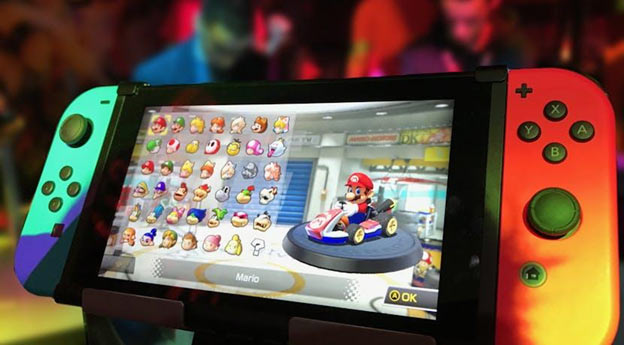
“Mario Kart” is a must play game on the Nintendo Switch.
Hybrid monetization mixes different ways to make money to give you easy access while still making money.
Players can pay for better features if they want. Such approaches maximize reach while incentivizing spending among committed players.
Recent Trends
Successful Examples
As F2P games are easy to play and can make a lot of money, paid games are better at getting you value right away and making you keep buying from them.
Hybrid tactics mix old and new methods for the best player experiences.
As the gaming world keeps on changing, creators should choose ways to make money that players also like.
***in cooperation with bubbleshooter.net***
More by Jonas Ek:
Tags: Casino games, Casino video games, Crypto, Dundeeslots, Free spins, Gambling, Mate Casino, Microgaming slots, Mobile games, Online Casino games, Online games, Plinko, Poker, Slot machines, Streamers, Theme parks, Twitch, Virtual Reality