The co-op firefighting sim ‘Rescue Ops: Wildfire’, is coming to Steam in early 2027
Press release:
Marseille, France – October 16, 2026 – Game developer Exkee today announced that its [...]




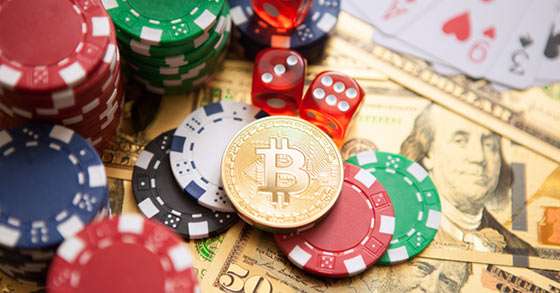
Using Bitcoin and other cryptocurrencies for gambling purposes seems like a straightforward concept. These currencies are global, require no intervention from banks, and offer additional benefits. However, there are some trade-offs for all users to consider.
At its core, Bitcoin is a payment tool first and foremost. It allows users to send and exchange value globally without relying on banks or governments. The decentralized nature of this crypto asset – and other cryptocurrencies – empowers users to control their finances and how they want to use them. Moreover, as there is no central authority involved in these proceedings, there is no tax on goods and services necessary.
An extra benefit of using cryptocurrencies is how it grants a small layer of privacy. Cryptocurrency transactions are pseudonymous, yet that doesn’t make them anonymous in any way. Users can “mask” their identities through their public wallet addresses, yet that doesn’t mean no one can find out one’s identity. Not having to expose personal information directly when completing payments is a bonus, especially in this era of data harvesting by all kinds of companies.
Last but not least, Bitcoin transactions can be cheaper than alternatives. It can also lead to much faster account deposits and withdrawals, depending on how the gambling provider has set everything up. It can be worthwhile for casinos and other gambling-related owners to integrate Bitcoin and other crypto assets. Doing so requires a bit of work, though, and these assets will always be volatile. Until it gains more mainstream traction, it will primarily fill a “niche” market position.
Despite all of these potential pros and cons, there is one aspect everyone can agree on. Using cryptocurrencies and blockchain technology allows for “provably fair” gambling. As all players can independently verify every bet and wage outcome, there can never be a discussion about house edges or trickery. Allowing players to verify these outcomes is a sense of empowerment and introduces extra transparency in an industry that direly needs it.
Today, numerous gambling providers offer provably fair gambling. It is pertinent for providers like FortuneJack to guarantee fairness and never to take advantage of clients. Providers can achieve provably fair outcomes through multiple methods, including hashing, seed generators, and random number generators. Leaving everything up to chance without hidden [dis]advantages is what gambling should be all about.
Despite the potential of provably fair gambling, it does not solve every “problem” players encounter. Provable fairness is not a way to increase one’s odds at winning by definition, as house edges will still be present for most games. It merely ensures players don’t get cheated, but they can still end up losing money through gambling regardless. Additionally, should a data breach occur, criminals can still obtain a player’s details, as provably fair gambling offers no extra protection in that regard.
There are many reasons why Bitcoin and its technology can make a positive impact on the gambling industry. The big benefit is achieving provably fair gaming, a concept that seemed foreign to online gambling until a few years ago. Moreover, the option of adding an extra payment method can bring in a new audience, even if that payment method revolves around volatile assets.
More by Guest Author:
Tags: Bitcoin, Casino games, Casino video games, Gambling, Mobile games, Online Casino games, Poker, Slot machines