‘Cozy Game Restoration’ now has over 400K Steam Wishlists ahead of November 4th launch
Press release:
Oct 21, 2026 - Melbourne, Australia - With its November 4 release fast approaching, M[...]




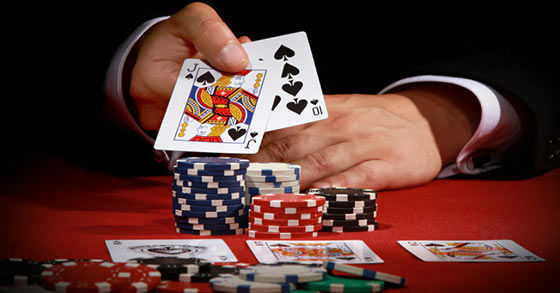
Bluffing in online poker combines skill, strategy, and precise timing. The interval a player takes to act and their ability to obscure hand strength are vital to achieving consistent success. Timing, betting patterns, and player tendencies intertwine to determine the effectiveness of bluff strategies.
The amount of time a player takes to act can signal varying levels of hand strength when playing poker online. For example, a long delay followed by a sizable bet might indicate hesitation or a bluff. This timing pattern, if predictable, can be exploited by attentive opponents. However, some experienced players intentionally manipulate their timing to confuse opponents and create a false impression of uncertainty.
Game mechanics amplify the role of timing. In physical poker, body language fills in the gaps. But online players rely heavily on timing cues. Due to time constraints, multi-tabling players sometimes act quickly on weaker hands and inadvertently provide tells. Conversely, players with more deliberate pacing may appear more methodical and harder to read. This potentially alters the effectiveness of bluffs.
Bluff profitability revolves around breakeven percentages. For instance, a half-pot bet requires a fold percentage of 33% to break even, while a full-pot bet needs that figure to rise to 50%. Understanding these calculations helps players avoid undue losses. For example, a bet of $13 on a $5 pot demands a breakeven fold percentage of 72.2%. Failure to meet these thresholds can erode value over time.
The size of the bet relative to the pot also influences bluff outcomes. Players who align their bet sizes with realistic breakeven percentages force opponents into tight decisions and increase the chance of folds. Misjudgments in this area often result in repeated bluffing failures and negative expected values.
Opponents’ playing styles greatly affect bluffing success. Tight players, who avoid excessive risks, are easier to bluff in tournaments where chip stacks dwindle. Conversely, loose players pose more challenges as they are more inclined to call bets. Bluffs against loose players require a careful setup involving multiple betting streets and credible narratives.
Table positioning further impacts bluff outcomes. Late-position bluffs are generally more effective because they allow players to gather more information before acting. Early-position bluffs entail greater risks since acting first offers limited insight into opponents’ hands. Middle-position bluffing can work but demands greater awareness of table dynamics.
Heads-Up Displays have reshaped how players analyze their opponents. These tools enable users to track key statistics such as fold-to-three-bet percentages and continuation bet success rates. Players can make sharper, data-informed decisions by identifying patterns.
For instance, a reliable fold-to-flop continuation bet rate falls between 40% and 60%. Winning players adjust their bluffing frequencies to align with such tendencies to maximize profitability and minimize risks. Data-driven adjustments can enhance win rates when isolating opponents’ weaknesses.
Successful bluffing in online poker relies heavily on timing, bet sizing, understanding player tendencies, and utilizing game mechanics to one’s advantage. Players can implement more effective strategies that capitalize on their opponent’s weaknesses by mastering bluffing and carefully analyzing breakeven percentages. Additionally, leveraging HUD statistics provides valuable insights that guide decision-making.
This allows players to adapt and optimize their approach in real time. Ultimately, combining skillful execution and strategic awareness leads to improved bluff success rates and enhances overall performance at the virtual table.
More by Guest Author:
Tags: Casino games, Casino video games, Crypto, Dundeeslots, Free spins, Gambling, Mate Casino, Microgaming slots, Mobile games, Online Casino games, Online games, Plinko, Poker, Slot machines, Soccer, Streamers, Theme parks, Twitch, Virtual Reality