‘Red Kiss’ is coming to XBOX and Game Pass on day one
Press release:
October 20, 2026 - As revealed during IGN x ID@XBOX, indie developer Wispfire and nar[...]




The DOTA2 v6.82 update brings some new freshness into DOTA2.
In this patch (6.82), teams are constantly struggling to have mid-game oriented drafts. It is no mean feat to translate a midgame advantage into a high-ground push – extremely high-power and high-cooldown ultimates that facilitate this have since been nerfed and bought solidly into line (except for chronosphere, since it requires void to get both XP and gold farm).
And most games end around 30 minutes simply because of the risks involved in pushing high-ground.
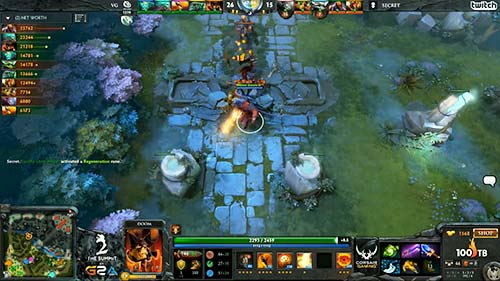
You can have 3 heroes who are farmed, but have low late-game impact and lose.
Vici Gaming had drafts that tried to win the game extremely early, but fail to execute due to the lack of conversion on their advantage into objectives taken.
It’s a constant balance between XP and gold reliant carries and their supports especially when time is not a luxury, and when your timing window constantly cuts you off from victory, it’s very discouraging to play riskily.
If the high ground in Dota 2 is the proverbial gate to victory that must be bashed down, the core heroes are the battering rams that need to be built up to smash said gate.
Farming is a huge part of Dota 2 – all objectives contribute gold (AKA farm) to the teams that complete them, or give tools (Aegis and Cheese) to reduce risk in completing other objectives.

Playing cautiously always prevents you from dealing the most damage you can. An extra life helps
Why is Roshan game-changing? Simple. Less risk means less potential to give your opponents an advantage, especially when you are ahead. The winning team has more access to these tools through map control, but can lose it all if they do not use their advantages.
Making mistakes is more costly and easier to do in making plays for an earlier win, thus constantly delaying the game as players become more and more cautious.
There is always a need to make “the plays” – An important kill on a core hero, out maneuvering the enemy ganks or even distracting the enemy team for your teammates to flank them.
Making plays is always easier if you have a lot of tools — gold buys these tools if your hero does not have some in-built, and exp gives you more skills and more potency to work them with.
It is much, much easier to make the plays if you can make your enemies stop dead in their tracks – which is why ultimates like black hole, chronosphere, ravage are so powerful and threatening “even in the late game” as casters are often heard saying.

When casters say it’s all about the cooldowns – These skills embody the “make it or lose it” mentality
The plays need to be made, and these ultimates reduce the possible mistakes that will occur while you’re making the play.
This is why although Dota 2 rewards greater skill, it rewards consistency above all else, especially with the 6.82 dubbed as the “comeback patch” – dramatically increased bounty rewards on the ahead team’s heroes.
Making even a single mistake in an engagement can give the opportunity for the opponent to start a comeback.
Heroes that have become more popular are those that risk less and reduce risk for their team on an engage, such as Brewmaster, Tidehunter, Death Prophet and Faceless Void.
These heroes have skills that allow them to engage into the enemy lineup (although Tidehunter in particular needs a Blink Dagger) relatively safely, or allow them to deal damage to the enemy without retaliation.
I expect more teams to exploit cooldown-heavy drafts as the newer heroes often have skill sets that refresh relatively quickly. Compared to Tidehunter’s 150 second-cooldown, Kukka’s Ghost Ship is more readily available with 60/50/40 second cooldown.
Future heroes like the Abyssal Underlord and even the newest Oracle have skillsets that have low cooldowns and synergize well with the concept of reducing risk.

chen Yiji
The Gaming Ground
More by Chen Yiji:
Tags: Defense of the Ancients 2, DOTA2, G2A, Summit 2, The Summit 2, The Summit 2 insights